

Project RETLAMI-SEE: A Study visit to Ljubljana
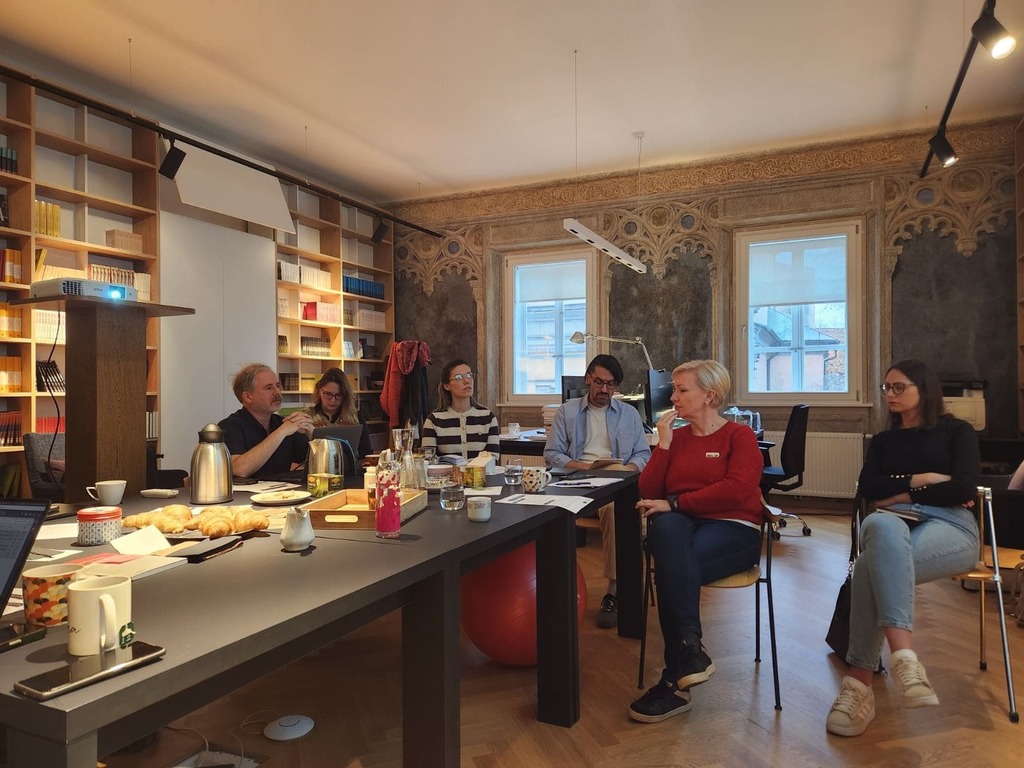
Science and developmentGeneralThe teaching and administrative staff of the University of Banja Luka (UNIBL) stayed in a three-day study visit at a partner institution – Scientific Research Center of the Slovenian Academy of Science and Art in Ljubljana, from 15 to 17 December 2025, as an activity within the international project RETLAMI-SEE.
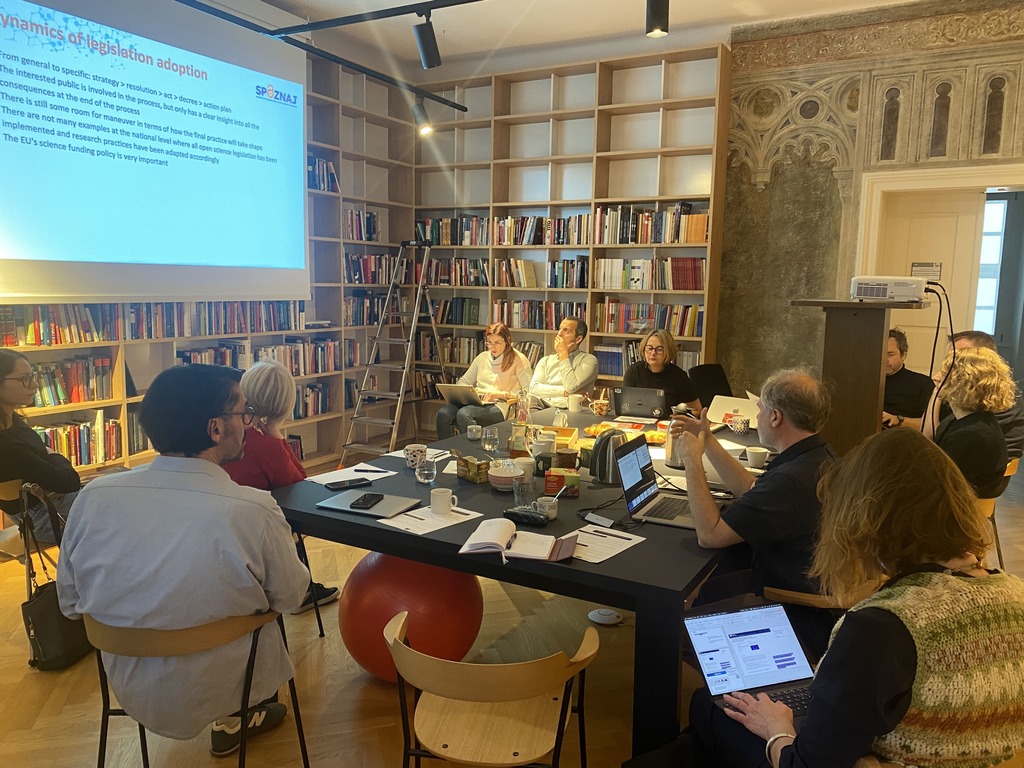
During the visit, the participants acquired new knowledge from the field of research data management, open science, ethnographic methods, and frames for valuating a scientific paper. The first day focused on managing research data and legal framework for their protection, including development of infrastructure, creation of a repository and plans for data management. There was a lecture on entrepreneurship and migration in the former Yugoslavia, which provided methodological insights into the use of archives and oral sources in scientific research.
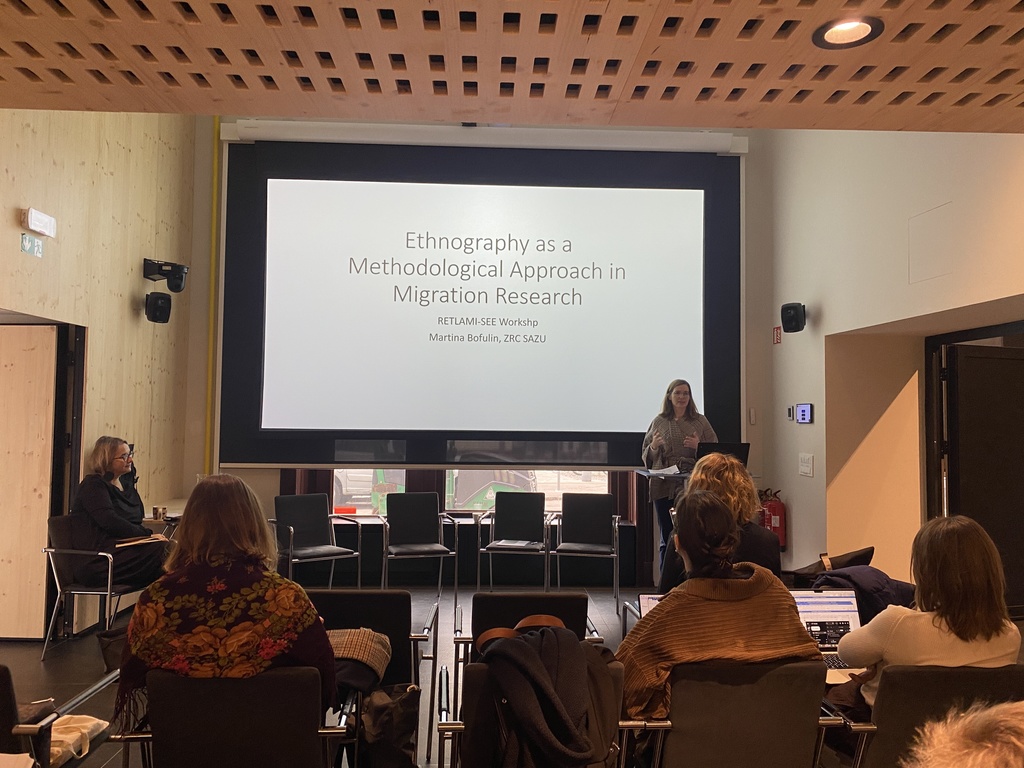
The second day focused on an advanced workshop on ethnographic methods in researching migrations, with a focus on quality access, techniques of data gathering, and their application in different social contexts. In the afternoon session, they were considering frameworks for valuating a scientific contribution, with a particular reflection on DORA and COARA initiatives that advocate inclusive and quality-based models for evaluation of a scientific paper.
At the end of the visit, young researchers and PhD candidates shared their experiences about the influence of project activities, workshops and trainings in particular, on their scientific research activity, as well as proposals for future activities. During the visit to Ljubljana, the representatives of the University of Banja Luka, along with the hosts, agreed on the joint activities for the next phase of the project, which is financed from the Horizon Europa program, while mentor sessions and consulting contributed to constructive dialogue and exchange of experiences.
The study visit contributed to the advancement of the methodological capacity of participants, the deepening of institutional cooperation, and a better understanding of the way in which the quality and impact of scientific research are shaped in an interdisciplinary context.